Fig. 01Benchmark
Ranked #1
#1SEED leads agricultural benchmarks for sub-millimeter computer vision tasks, where plant structures, weed pressure, nozzles, and motion blur all matter at once.
Published for growers, roboticists, and agronomists
Mission Chalkboard
Agricultural AI is hard because agriculture refuses to behave like a clean benchmark. Weather shifts, genetics drift, pests adapt, machines vibrate, and a wrong recommendation can burn a crop. Precision AI exists to make the hard parts reusable: shared perception, field reasoning, and dependable deployment primitives for the agricultural community.
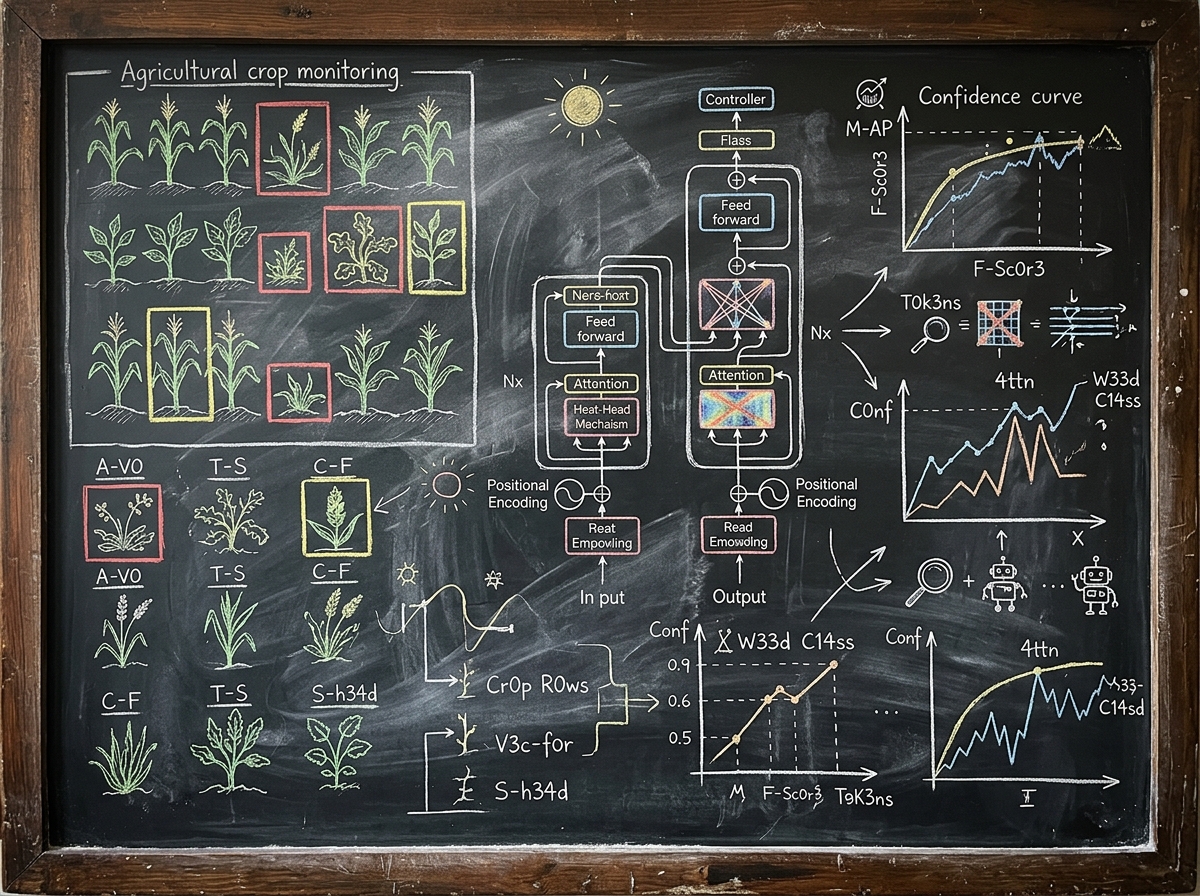
Foundation Model Specification
SEED is the foundation model purpose-built for agricultural computer vision and robotics. It turns field perception into a reusable substrate for agronomists, farms, research teams, and robotics manufacturers building production systems.
SEED leads agricultural benchmarks for sub-millimeter computer vision tasks, where plant structures, weed pressure, nozzles, and motion blur all matter at once.
Designed for perception-to-action loops, crop-row dynamics, implement vibration, and variable field lighting.
Identifies crop, weed, and plant-stage signals for precise treatment decisions instead of broadcast assumptions.
Datasets, tools, whitepapers, and benchmarks that help the whole agricultural AI community build faster.
High Trust AI for a Penalty-for-Failure Industry
Food production does not tolerate confident nonsense. Precision AI uses its Beyond Reasoning framework to minimize hallucination, model agricultural thought, and explicitly defer when the evidence is insufficient.
Outputs are constrained by agronomic evidence, verified operating envelopes, and field telemetry before they become actions.
SEED follows the way crop advisors reason: observations, local context, pressure history, confidence, and intervention risk.
If it does not know, it will tell you. The safest model is sometimes the one that refuses to invent an answer.
“If it does not know, it will tell you.”
Public Archive

Reference implementations, tooling, SDKs, and benchmark harnesses.
02 DatasetsCurated crop, weed, soil, and field imagery datasets for model builders.
03 WhitepapersDeployment guides, Beyond Reasoning details, and safety methodology.
04 BenchmarksSub-mm vision and robotics evaluation suites for apples-to-apples comparisons.
Illustrated Case Studies
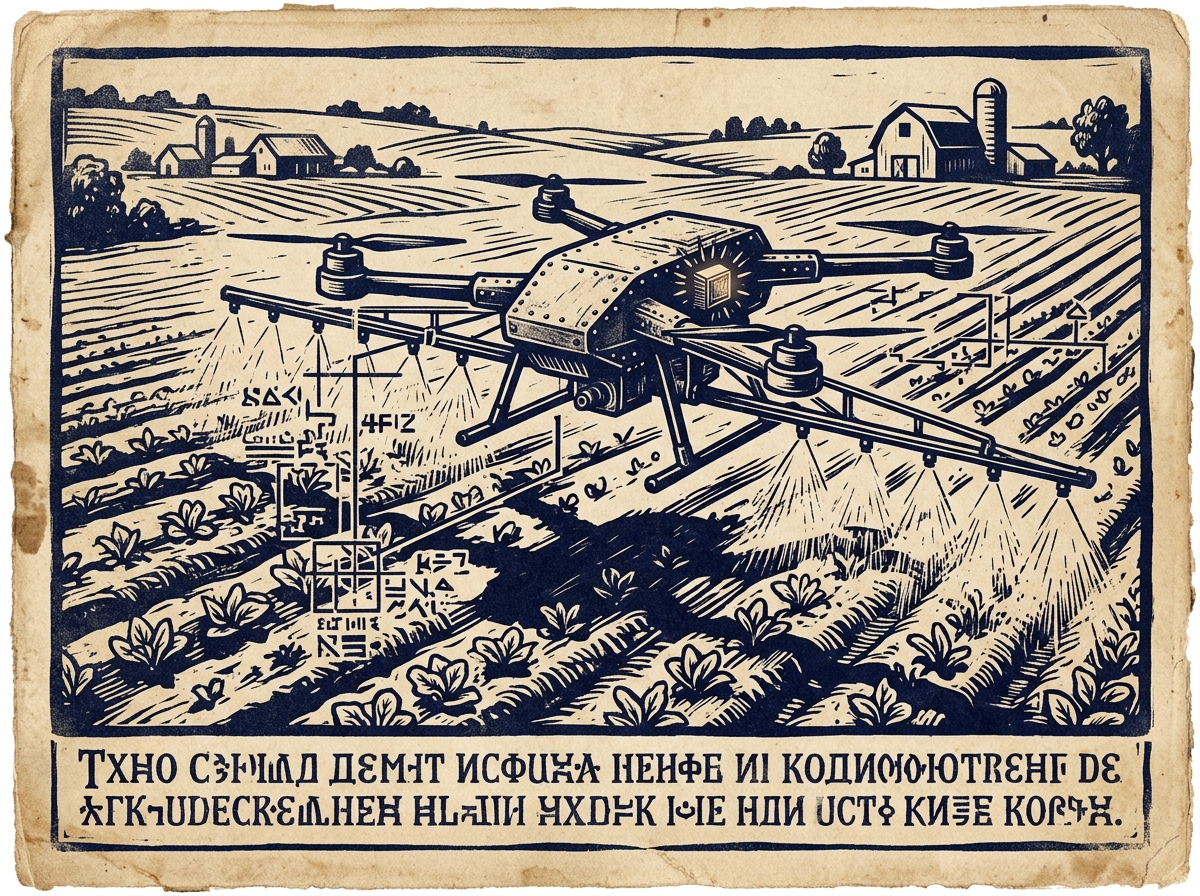
Fig. A — Aerial Implement
A precision spraying drone with SEED running at the edge, converting real-time crop and weed perception into immediate treatment decisions while the aircraft is in motion.
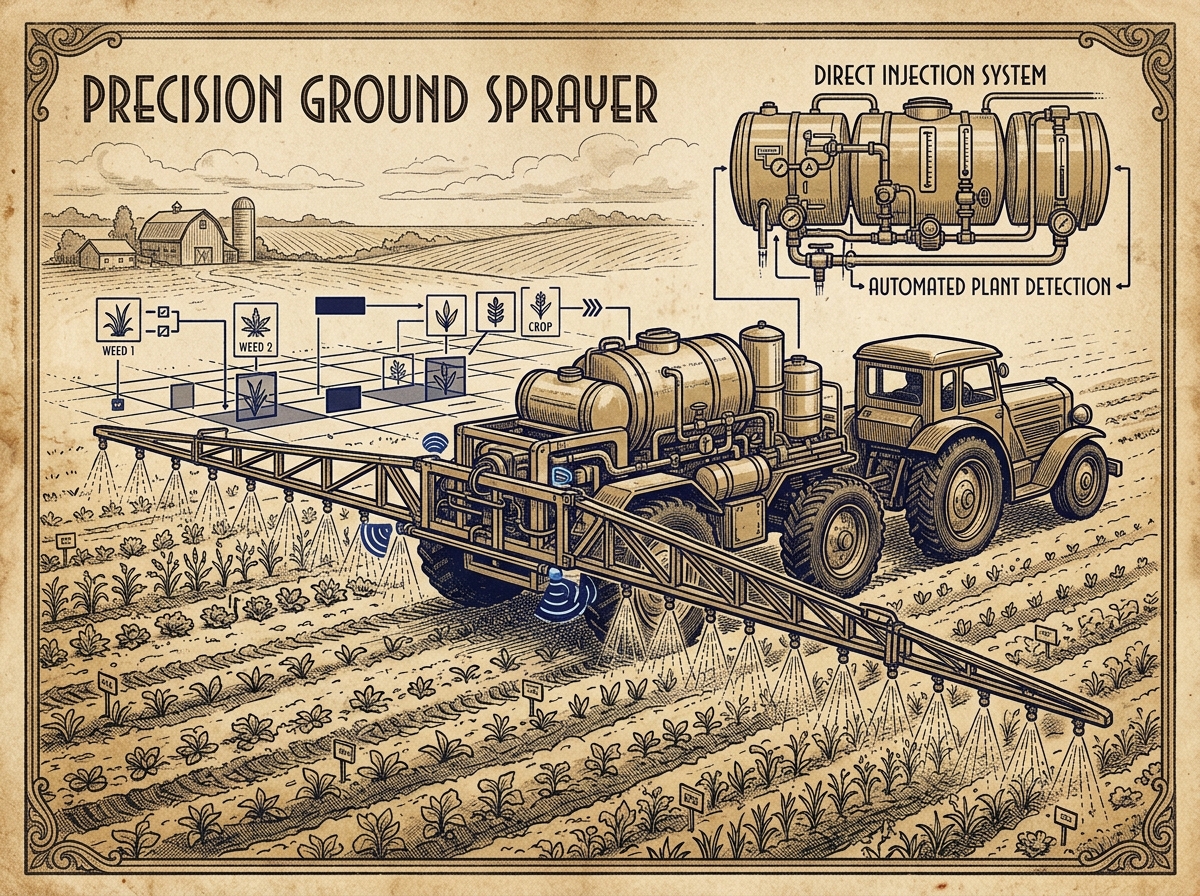
Fig. B — Ground Implement
A ground precision system powered by SEED for species-level detection and dynamic tank mixing through a direct inject system, matching chemistry to the exact problem in front of the boom.
Research and Papers
Read the technical work behind SEED, agricultural foundation models, and high-trust AI systems for robotics. The archive points to public research hubs and seedmodel.ai while the final publications move through release.
Model architecture, training mixtures, deployment constraints, and benchmark methodology for high-resolution field perception.
A trust framework for hallucination minimization, uncertainty deferral, and agronomic thought modeling in field systems.
Reproducible evaluation for in-motion inference, sensor latency, plant detection, and actuation reliability across air and ground platforms.
Who We Power
Precision AI supplies the model layer for the teams turning food production into an intelligent, auditable, and highly precise system.
SEED compresses field scouting, species detection, and agronomic reasoning into a single dependable perception layer for crop advisors.
Farms use SEED to move from blanket treatment toward precise interventions that preserve yield, chemistry, water, and time.
Research groups build on shared datasets, benchmarks, and tools instead of rebuilding the same field perception stack again.
Robotics manufacturers embed SEED on equipment so machines can see, reason, and act locally when connectivity is absent.
Engagement Schedules
Directive 89-A
Start with the open archive, study the papers, or brief our partnerships team on the field system you need to power.